
Hidden Cameras in the Laogai: Orville Schell’s Long-Delayed Exposé
来源网站:bitterwinter.org
作者:
主题分类:
内容类型:
关键词:
涉及行业:
涉及职业:
地点: 无
相关议题:压迫行为, 职业培训, 职业教育
- 1991年,CBS团队在奥维尔·谢尔和哈里·吴参与下,用隐藏摄像机进入中国劳改营和监狱工厂,记录囚犯生产可能流向美国市场的出口商品。
- 文章所述“劳改”制度把强制劳动与思想改造结合起来,许多囚犯在营地中被迫劳动、认罪和接受灌输,其中包括政治犯。
- 调查显示,监狱生产的商品通过空壳公司和中间商掩盖来源,使外国买家难以从标签上看出这些商品来自劳改营。
- 谢尔将1991年的调查与今天的新疆情况相连,指出维吾尔人和其他突厥穆斯林被关押在所谓“职业培训中心”,并被迫在连接全球供应链的工厂中劳动。
- 谢尔认为,签证受限、研究者受威胁以及信息管控加强,使今天独立调查强迫劳动和营地情况比1991年更加困难。
以上摘要由系统自动生成,仅供参考,若要使用需对照原文确认。
In 1991, he filmed forced labor inside Chinese penal colonies for “60 Minutes.” Fear of reprisals left his story unpublished for more than three decades.
by Massimo Introvigne
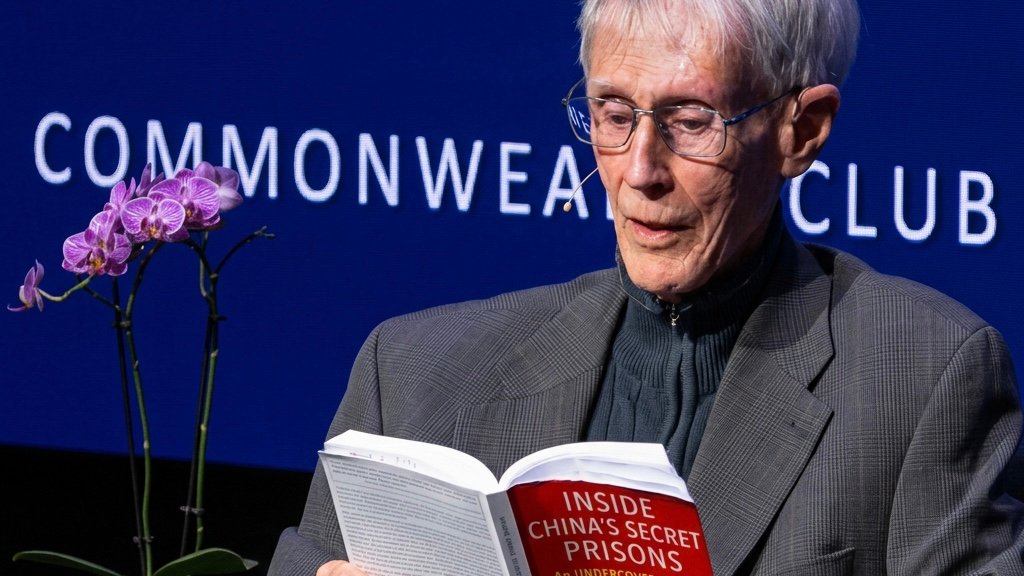
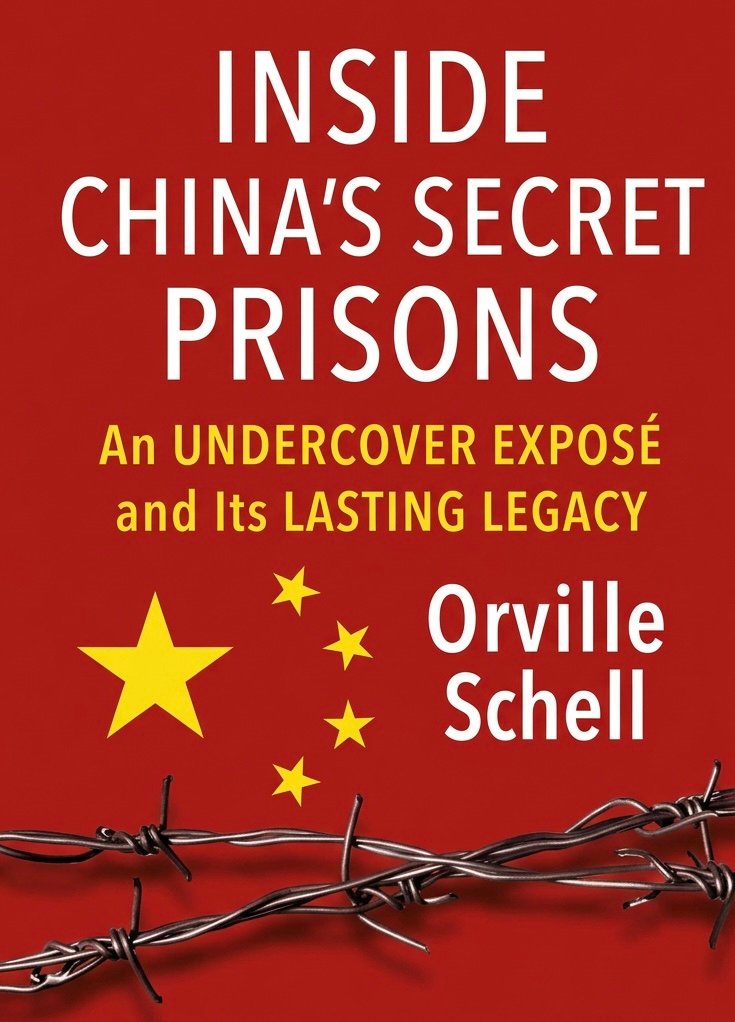
In 1991, a CBS crew traveled through China with cameras concealed in their bags, guided by a man who knew the country’s prison camps from the inside. They wanted to prove that goods made by inmates were reaching American stores in violation of United States law. One member of the team was Orville Schell, already among the best-known Western analysts of China. His book “Inside China’s Secret Prisons: An Undercover Exposé and Its Lasting Legacy” (New York: Columbia University Press, 2026) finally tells the story of that investigation, thirty-five years after the “60 Minutes” program went on air.
The delay is part of the story. Schell wrote a long account of the project for the “New Yorker” and then decided to set it aside. His wife was born in China, and he feared that the Chinese Communist Party would punish her, her relatives, and their friends, and would close the country’s doors to his own work as a journalist and scholar. Few authors are willing to admit such a choice in print. By doing so, Schell offers a rare first-person account of how Beijing’s intimidation works, producing self-censorship among reporters, academics, and businesspeople who have something to lose.
The system the crew set out to document was the “laogai,” short for “laodong gaizao,” or “reform through labor.” Schell compares it with the Soviet gulag, which also exploited prisoners as a cheap workforce, and explains what Maoist China added to the model. Labor in the camps went together with “thought reform,” a program of indoctrination, forced confessions, and public self-criticism designed to remake the prisoner’s mind and produce loyalty to the Party. Inmates, many of them political prisoners, confessed to crimes they had often never committed and repeated the official narrative of their own guilt. The author draws on Franz Kafka’s “The Trial,” and Hannah Arendt’s “banality of evil” to describe a world where bureaucrats manufacture guilt and cruelty becomes routine.
The guide who made the 1991 investigation possible was Harry Wu (1937–2016), who had spent nineteen years in the camps before emigrating to the United States. He went back to China repeatedly, at enormous personal risk, to film the facilities where he and countless others had suffered. Schell portrays him with affection and without hagiography. Wu’s Catholic upbringing gave him a moral compass the camps could not destroy, and his determination to bear witness invites comparison with Primo Levi after Auschwitz. Yet the same determination had a darker side. This obsessive quality made Wu both a hero and a tragic figure, a survivor never entirely free from the system he had resolved to expose.
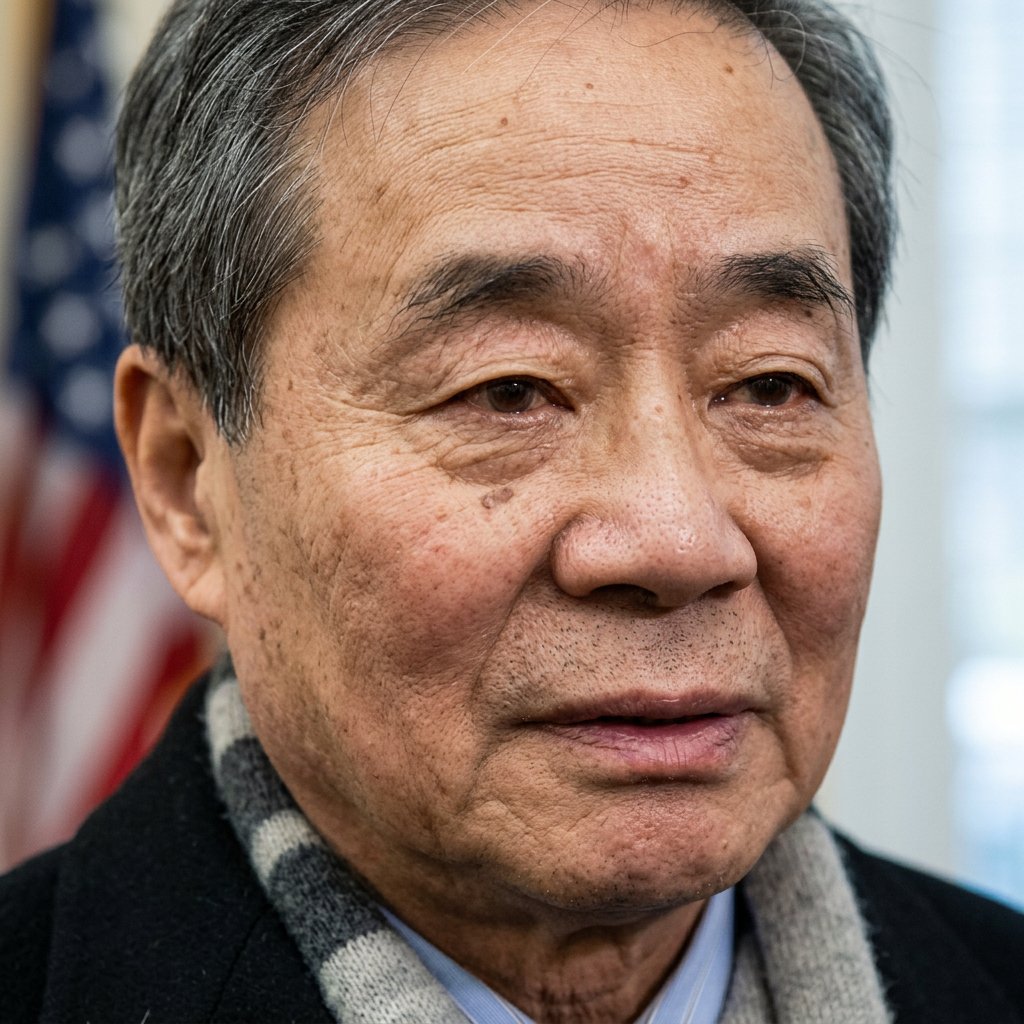
The investigation itself reads like a thriller. With hidden cameras, the team entered penal colonies and prison factories, recording inmates at work on products destined for export. Schell reconstructs the tricks used to disguise the origin of these goods, which passed through front companies and intermediaries before reaching foreign buyers with no trace of the camps on their labels. The most memorable scenes involve CBS correspondents who presented themselves as American businessmen and were offered prison-made merchandise by the officials running the camps. Having himself been detained and questioned during his years of reporting in China, the author conveys well the tension of working in a country where foreign observers are constantly watched.
Much of the book’s value lies in the line it draws from 1991 to today. The methods documented by Wu and Schell survived and migrated to Xinjiang, where hundreds of thousands of Uyghurs and other Turkic Muslims have been confined in camps the authorities call “vocational training centers” and forced to work in factories connected to global supply chains. Facial recognition, biometric data collection, and online censorship have given the old machinery of control a technological efficiency Mao could only dream of. Opportunities for independent reporting have shrunk accordingly. An investigation like the one carried out in 1991 would be almost impossible today, Schell notes, because visas are denied, researchers are threatened, and information is controlled with unprecedented thoroughness.
Schell also revisits a debate that has divided Western China watchers for decades. Many hoped that trade and engagement would gradually liberalize the regime, and the era of Deng Xiaoping seemed to justify that hope. Under Xi Jinping, the Party has instead returned to centralized control and ideological rigidity, reaffirming its Leninist origins. Repression, the author suggests, belongs to the “genetic code” of the system, which makes genuine reform unlikely as long as the Party rules China.
The final pages raise questions about responsibility. Foreign journalists and scholars can no longer enter the camps, yet Schell insists they still have a role to play by supporting human rights initiatives, amplifying the voices of exiled dissidents such as Wei Jingsheng and honoring the memory of the late Liu Xiaobo, and refusing the silence Beijing tries to impose. His own confession about the shelved “New Yorker” article gives this appeal unusual credibility. Few know better how easily fear can persuade a writer to stay quiet, and publishing the story now is an act of the same moral courage he admired in Harry Wu.
Combining investigative journalism, memoir, and moral reflection, the book will reward readers interested in forced labor, in the fate of political and religious prisoners in China, and in the price paid by those who try to expose the system. It is both gripping and sobering.
Massimo Introvigne (born June 14, 1955 in Rome) is an Italian sociologist of religions. He is the founder and managing director of the Center for Studies on New Religions (CESNUR), an international network of scholars who study new religious movements. Introvigne is the author of some 70 books and more than 100 articles in the field of sociology of religion. He was the main author of the Enciclopedia delle religioni in Italia (Encyclopedia of Religions in Italy). He is a member of the editorial board for the Interdisciplinary Journal of Research on Religion and of the executive board of University of Pennsylvania Press’ Nova Religio. From January 5 to December 31, 2011, he has served as the “Representative on combating racism, xenophobia and discrimination, with a special focus on discrimination against Christians and members of other religions” of the Organization for Security and Co-operation in Europe (OSCE). From 2012 to 2015 he served as chairperson of the Observatory of Religious Liberty, instituted by the Italian Ministry of Foreign Affairs in order to monitor problems of religious liberty on a worldwide scale.